காரைக்குடி ஓர் முன்னோட்டம்
இந்தியாவின் தமிழ்நாடு மாநிலத்தில் அமைந்துள்ள சிவகங்கை மாவட்டத்தில் இருக்கும் ஒரு நகராட்சி ஆகும். "செட்டிநாடு" என்று அழைக்கப்படும் பிரதேசத்தின் பகுதியாகும். சுண்ணாம்பு கற்களால் கட்டப்பட்டு, கரை வீடுகள் என்று அழைக்கப்படும் சிறப்பு வாய்ந்த வீடுகளின் அடிப்படையில், காரைக்குடி தமிழக அரசால் பாரம்பரியமிக்க நகரென அறிவிக்கப்பட்டுள்ளது. இரண்டு சிறந்த கல்வி நிறுவனங்களான அழகப்பா பல்கலைகழகம் மற்றும் மத்திய மின் வேதியியல் ஆராய்ச்சி நிலையம் (CECRI) அமையபெற்றுள்ளது என்பது குறிப்பிடத்தக்கது.
Karaikudi is a town and municipality in Sivaganga district in the Indian state of Tamil Nadu. It is part of the area commonly referred to as "Chettinad". Karaikudi is declared a heritage town by the Government of Tamil Nadu, on account of the palatial houses built with limestone called karai veedu.
1000 ஜன்னல் வீடு / 1000 Windows House
இவ்வீட்டினைக் கண்டு வியந்தவர்களின் ஆச்சர்ய வினாவே (ஆயிரம் ஜன்னல் இருக்குமோ?) இவ்வீட்டின் பெயராய் மருவியிருக்கிறது.

மிகப்பெரிய அறைகள், விசாலமான நடுக்கூடம், மண்டபங்களையொத்த உணவு பரிமாறுமிடம், பர்மா தேக்குக் கதவுகள், ஜன்னல்கள், இத்தாலி சலவைக் கற்கள், இயற்கை வண்ணப் பூச்சு ஓவியங்கள், முட்டை மற்றும் சுன்னக்கலவை பூச்சு ... விதவிதமான விளக்குகள் என எங்கெங்கும் பிரமிப்பாய் ...


வீட்டின் சாவியே தோராயமாய் ஒரு அடி நீளம் இருக்கும்.

(குறிப்பு: இது ஒரு தனியார் உடைமை, உரிய அனுமதி பெற்றுக் காணலாம்)
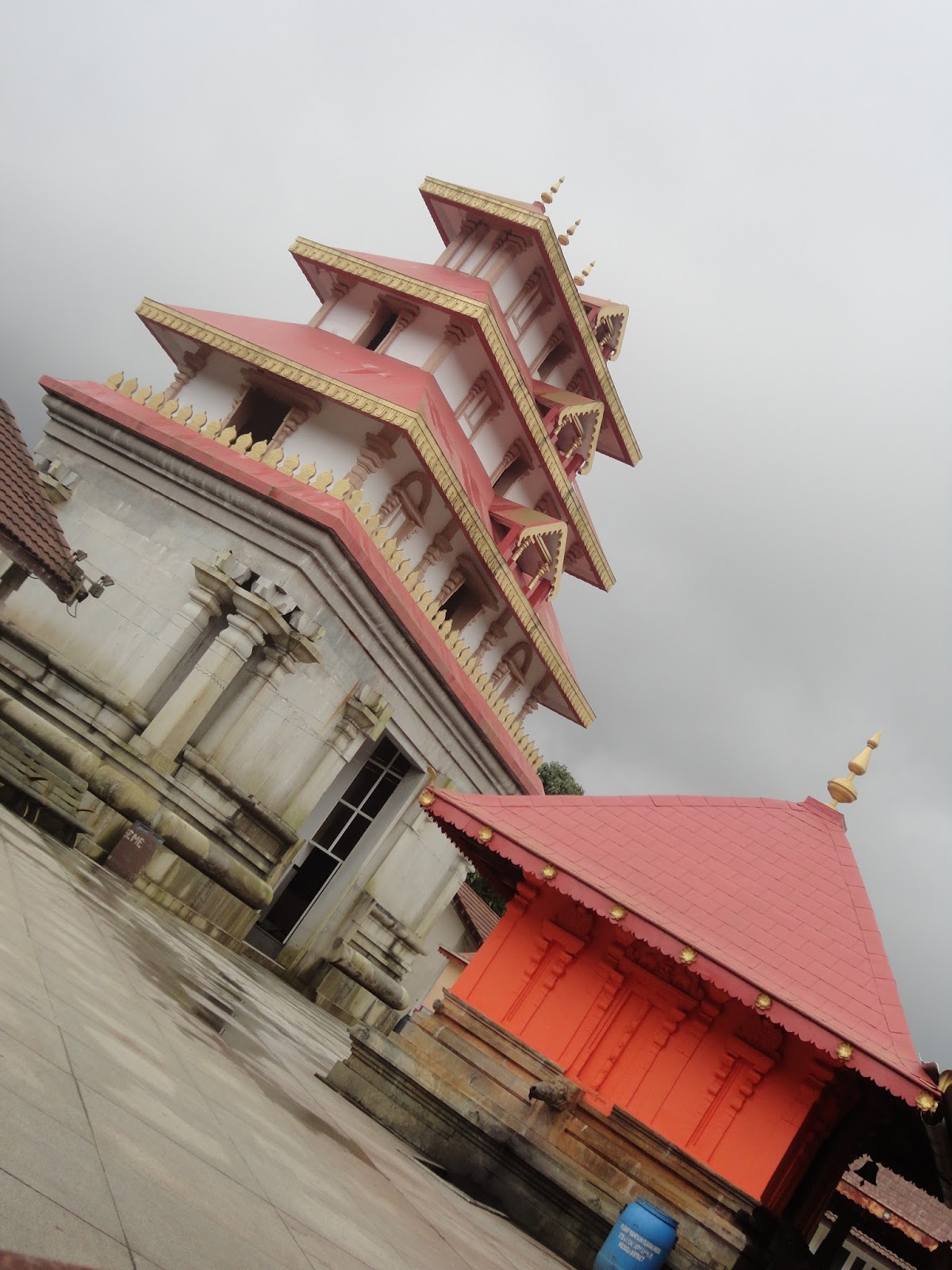
கொற்றவாளீஸ்வரர் திருக்கோவில், கோவிலூர் - Sri Kotravalishwarar Temple, Koviloor
வரலாறு
திருக்கானப்பேர் என்னும் காளையார்கோவில் பகுதியை வீரபாண்டியன் ஆண்டு வந்தான். இக்கோயிலில் உள்ள காளீசர் அருளால் வாள் ஒன்றை, அந்த மன்னன் பெற்றிருந்தான். அதற்கு கொற்றவாள் என்று பெயர். கொற்றவாளுடன் போர்புரிந்து பகை மன்னர்களை வென்றான்.
கோயில் முன்புறம் சதுரவடிவில் உள்ள தெப்பம் அனைவரையும் கவரும். நடுவில் 16 தூண்களுடன் கூடிய நீராழி மண்டபம் உள்ளது. தெப்பக்குளத்தை வெளிப்புறமாகச் சுற்றிவந்தால் ஒரு கி.மீ., தூரம் இருக்கிறது. கோவிலூரில் வேதாந்த மடத்தை நிறுவியவர் முத்துராமலிங்கதேசிகர். இவரே கோயிலைப் புதுப்பித்து திருப்பணிகளைச் செய்தவர். இவருக்குப் பின் வந்த சிதம்பரதேசிகரின் காலத்தில், கோவிலூர் புராணத்தை மீனாட்சி சுந்தரனார் எழுதினார்.
The Koviloor temple of "Sri Kotravaleeswarar" was initially built by one Pandiya King "Veerasekara Pandiyan" approximately 500 years ago. At that time Koviloor was known as Saliwadi (Land of Rice) and Kalani Vasal (Land of Agriculture). It had been a laterite construction.
Later during the 18th century, His Holiness Shri la Sri Mukthiramalinga Gnana Desika Swamigal had started reconstruction work. Simultaneously he had established "Koviloor Aadheenam" Vedanta Mutt, when it came to be known as Koviloor.


பிள்ளையார்பட்டி - Pillaiyarpatti
பிள்ளையார்பட்டி எனப் பெயர் கொண்டு விளங்கும் இவ்வூர் தமிழ்நாடு மாநிலத்தில் சிவகங்கை மாவட்டத்தில் உள்ளது. காரைக்குடியிலிருந்து திருப்பத்தூர் செல்லும் வழியில் குன்றக்குடிக்கு அடுத்து உள்ளது.
பிள்ளையார்பட்டி என்னும் பெயரே இது விநாயகப்பெருமான் கோயில் கொண்டருளும் ஒரு சிற்றுர் என்பதை நன்கு விளங்க வைத்துக் கொண்டிருக்கிறது. இந்த ஊருக்கு பிள்ளையார்பட்டி என்பதே இன்று நாடறிந்த பெயராயினும், 1. எருகாட்டூர் அல்லது எக்காட்டுர், 2. மருதங்குடி, 3. திருவீங்கைகுடி, 4. திருவீங்கைச்வரம், 5. இராசநாராயணபுரம் என்று வேறு ஐந்து பெயர்கள் உண்டு. மருதங்கூர், தென்மருதூர், கணேசபுரம், கணேசமாநகரம், பிள்ளை நகர் போன்ற பெயர்கள் பிற்காலப் பெயர்கள் பிற்காலப் பாடல்களில் காணப்படுகின்றன.

குன்றக்குடி சண்முகநாதர் திருக்கோயில் - Kundrakudi Shanmuganathar Temple
குன்றக்குடி , தமிழ்நாட்டில் சிவகங்கை மாவட்டத்தில் காரைக்குடி நகராட்சியின் அருகில் உள்ளது . இவ்வூர் மிகவும் புகழ் பெற்ற கோயில் தலங்களில் ஒன்றாகும். திருவண்ணாமலை ஆதீனம் இவ்வூரில் அமைந்துள்ளது.
In Kundrakudi the Lord Murugan Temple is set up in a very small hill. Here Lord Muruga appears with his wives Lord Valli and Deivanai. The Murugan statue is set up with six faces and hence here Lord Murugan is called as "Lord Shanmuga", the meaning is Lord Murugan with six faces. The temple is under the control of Kundrakudi Aadhinam and maintained by them efficiently. At the bottom of the hill, there is a small temple for Lord Ganesh who is the brother of Lord Muruga and another temple is also at the bottom of the hill itself for Lord Muruga in the name Lord Palani Murugan. In this Palani Murugan temple the main statue is not fixed on floor and set up in a bar. Because this statue is brought to palani by the Kundrakudi Pada yatra group people every year at the time of Thaipoosam festival. Then on the way to the main temple three more mini temples are there, two temples for again Lord Ganesha and one for Lord Kadamba who is one of the devotees of Lord Muruga. In the main temple as already stated Lord Muruga is appearing with six faces and along with his wives.


மருதுப் பாண்டியர்களின் சிலை


திருமயம் மலைக்கோட்டை - Thirumayam Fort
'திருமயம்' என்ற சொல் 'திருமெய்யம்' என்ற பெயரில் இருந்து வந்தது. 'திருமெய்யம்', வடமொழிச் சொல்லான 'சத்யஷேத்திரம்' என்ற பெயரில் இருந்து உருவானது. இங்கு கோட்டைக்கு அருகில் இருக்கும் சிவன் மற்றும் பெருமாள் கோயில்களான சத்தியகிரீஸ்வரர் மற்றும் சத்தியமூர்த்தி கோயில்களால் சத்யஷேத்திரம் என்று அழைக்கபெற்றது.
மஹா விஷ்ணு "மெய்யர்" என்ற பெயரிலும் அழைக்கப்படுவார். அவர் இங்கு வந்தது எழுத்து அருளியதால் 'திருமெய்யம்' என்ற பெயரில் அழைக்கப்படுகிறது.
திருமயம் மலைக்கோட்டை
திருமயம் மலைக்கோட்டை 1676 ஆம் வருடம் இராமநாதபுரம் சேதுபதி மன்னர் (மறவ மன்னர்கள் தங்களை சேதுபதி என்றழைத்துக் கொண்டனர்) ரகுநாத சேதுபதி என்னும் கிழவன் சேதுபதியின் (கிபி 1671-1710) காலத்தில் கட்டப்பட்டது. இன்றும் இக்கோட்டை ஒரு வரலாற்றுச் சின்னமாக இந்திய அரசின் தொல்லியல் துறையால் பாதுகாக்கப்படுகின்றது.
வரலாறு
திருமயம் என்ற இந்த சிறு நகரம் பழமையும் நெடிய வரலாற்றையும் கொண்டு திகழ்கிறது. முத்தரையர்கள் கி.பி. 8-9-ஆம் நூற்றாண்டுகளில் திருமயம் உள்ளடக்கிய பகுதிகளை அரசாண்டிருக்கலாம் என்று சொல்கிறார்கள். தொடர்ந்து சோழ மன்னர்கள், பாண்டிய மன்னர்கள், விஜயநகர அரசர்கள், பராக்கிரம பாண்டிய விஜயாலயத் தேவர், சுந்தரபாண்டிய விஜயாலயத் தேவர் போன்ற பாண்டிய குறுநில மன்னர்கள் என்று பலராலும் ஆளப்பட்டுள்ளது இந்த ஊர். இராமநாதபுரம் சேதுபதிகள் 16 - 17 நூற்றாண்டுகளில் திருமயம் உள்ளடக்கிய பகுதிகளை தங்கள் ஆளுகைக்குள் கொண்டு வந்தனர். அடுத்து பல்லவர்களாலும், புதுக்கோட்டை தொண்டைமான் மன்னர்களாலும் ஆளப்பட்டுள்ளது இவ்வூர். கிழவன் சேதுபதியின் காலத்தில் இவ்வூர் சேதுபதி நாட்டின் வட எல்லையாகத் திகழ்ந்ததாம்.
மலைக்கோட்டை அமைப்பு
திருமயம் மலைக்கோட்டை ஒரு வட்ட வடிவில் அமைந்துள்ள கோட்டையாகும். கோட்டையைச் சுற்றி ஆழமான அகழிகள் இருந்ததற்கான அடையாளங்களை இன்றும் காண முடிகிறது. எனினும் இந்த அகழிகள் பல இடங்களில் தூர்ந்து போய்க் காணப்படுகின்றன. பாதுகாப்பு அரணாக அமைந்த வெளிச்சுற்று மதிகள் சிதைந்த நிலையில் உள்ளன. உள்சுற்று மதிகள் இன்றும் கட்டுக்கோப்பாக உள்ளன. ஏழு சுற்று மதில்கள் இருந்ததாக இங்கே காணப்படும் தொல்லியல் வரலாற்று அறிவிப்பு பலகைகள் சொல்கின்றன. திருமயம் மலைக்கோட்டைக்கு மூன்று நுழைவாயிகள் முறையே தெற்கு, தென் கிழக்கு மற்றும் வடக்கு திசைகளில் உள்ளன.
மலைக்கோட்டையின் உச்சியில் ஒரு பீரங்கி மேடையில் கிழக்கு நோக்கி ஒரு பீரங்கி
ஒரு உயர்ந்த குன்றின் உச்சியில் இயற்கை அரண்களுடனும் கலை நேர்த்தியுடனும் அமைந்துள்ள திருமயம் மலைக்கோட்டையின் உள்கோட்டையைச் சுற்றி உயரமான மதிற்சுவர்கள் கட்டப்பட்டுள்ளன. இன்றும் இந்தச் சுற்று மதில்கள் கட்டுக் கோப்பகத் திகழ்கின்றன. உள்கோட்டைக்கு ஊரின் மேற்குப் பகுதியிலிருந்து தொல்லியல் துறையால் பாதுகாக்கப்படுகின்ற நுழைவாயில்கள் உள்ளன. மலைக்கோட்டையின் உச்சியில் ஒரு பீரங்கி மேடையில் கிழக்கு நோக்கி ஒரு பீரங்கி நிறுவப்பட்டுள்ளது. இது போல கோட்டையின் தெற்கு நுழைவாயில் அருகே இரண்டு பீரங்கிகள் உள்ளன. இவற்றைத் தவிர மலைக் கோட்டையில் வேறு பாதுகாக்கப்பட்ட கட்டடங்கள் ஏதுமில்லை. எனினும் இக்கோட்டையிலிருந்து சேகரிக்கப்பட்ட உடை வாள்கள், பீரங்கிக் குண்டுகள், பீரங்கிகள், பூட்டுகள், சங்கிலிப் போர் உடைகள் போன்ற அரிய பல பொருட்கள் புதுக்கோட்டை மாவட்ட அருங்காட்சியகத்தில் காட்சிப்படுத்தப்பட்டுள்ளன.
The Thirumayam Fort is a 40-acre wide fortress in the town of Thirumayam in Pudukkottai-Karaikudi Highway in Pudukkottai District, Tamil Nadu, India. It was constructed by Vijaya Raghunatha Sethupathi, the Raja of Ramnad in 1687. Later the fort was handed over to his brother in law Raghunatha Raya Tondaiman.
The fort originally said to have been a 'ring fort' with seven concentric walls has only four surviving now. The construction of the fort is of inferior quality as small blocks of stone were used along with bricks for the building of the fortification.
The fort has three entrances; one on the north, another on the south and third on the east. The shrines dedicated to Hanuman, Sakthi, Ganapathi, Karuppar (guardian deities of the fort) are noticed on the southern side and shrine to Bhairava on the northern side. Halfway to the top on the right side a chamber which was used as magazine was noticed. Opposite to this chamber on the western slope of a boulder is a rock cut cell containing a linga on yonipitha, the spout of which is supported by the figure of a dwarf.
On the top of the rock is a bastion with cannon of British origin. To the south of this Platform is a natural pond. On the southern slope there are two rock cut temples, one of them dedicated to Sri Sathyamurthy-Sri Uyyavanda Nachiar (Vaishnavite) and another to Sri Sathyagireeswarar-Sri Venuvaneeswari (Saivite), Which are historically and religiously more important. To the northwest is another pond and to the southeast another tank. There are six more cannons mounted in the north, south and east gates.


செட்டிநாடு அரண்மனை - Chettinad Palace
காரைக்குடி: சர்வதேச கட்டடக்கலைக்கு முன்னோடியாக திகழும் நூறாண்டுகளை கடந்த செட்டிநாடு புராதன பங்களாக்கள் "யுனெஸ்கோ மேப்பில்' இடம்பிடித்துள்ளன. சிவகங்கை, புதுக்கோட்டை மாவட்டங்களிலுள்ள கானாடுகாத்தான், செட்டிநாடு, காரைக் குடி, கடியாபட்டி, கோட்டையூர், பள்ளத்தூர், ராயவரம் உட்பட 96 ஊர்களில் லட்சக்கணக்கான நகரத்தார்கள் வாழ்கின்றனர்.வியாபாரத்தில் முன்னணி வகிக்கும் இவர்கள் கட்டட கலையிலும் ஈடுபாடு காட்டி வருகின்றனர். சர்வதேச கட்டட கலைக்கு இணையாக செட்டிநாட்டில் 7 ஆயிரம் பங்களாக்கள் உள்ளன. 80 முதல் 120 ஆண்டுகளை கடந்தும், புதுப்பொலிவுடன் செட்டிநாடு பங்களாக்கள் கம்பீரமாக காட்சியளிக்கின்றன.
The Chettinad region is well known for its 18th century mansions, whose wide courtyards and spacious rooms are embellished with marble and teak. Construction materials, decorative items and furnishings were mostly imported from East Asian countries and Europe. The marble was brought from Italy, chandeliers and teak from Burma, crockery from Indonesia, crystals from Europe and wall-to-wall mirrors from Belgium. The wood- and stone-work was inspired by the great houses in France and other European countries.
Many of these mansions were built using a type of limestone know as karai veedu.
Local legend has it that the mansion walls were polished with a paste made out of eggwhites to give them a smooth texture.


மேலும் அருகிலுள்ள முக்கிய இடங்கள்
சத்தியமூர்த்திப் பெருமாள் திருக்கோயில், திருமயம்.
சத்யகிரீஸ்வரர் திருக்கோயில், திருமயம்.
கண்ணதாசன் மணிமண்டபம்.
கம்பன் மணிமண்டபம்.
ஆத்தன்குடி அரண்மனை.